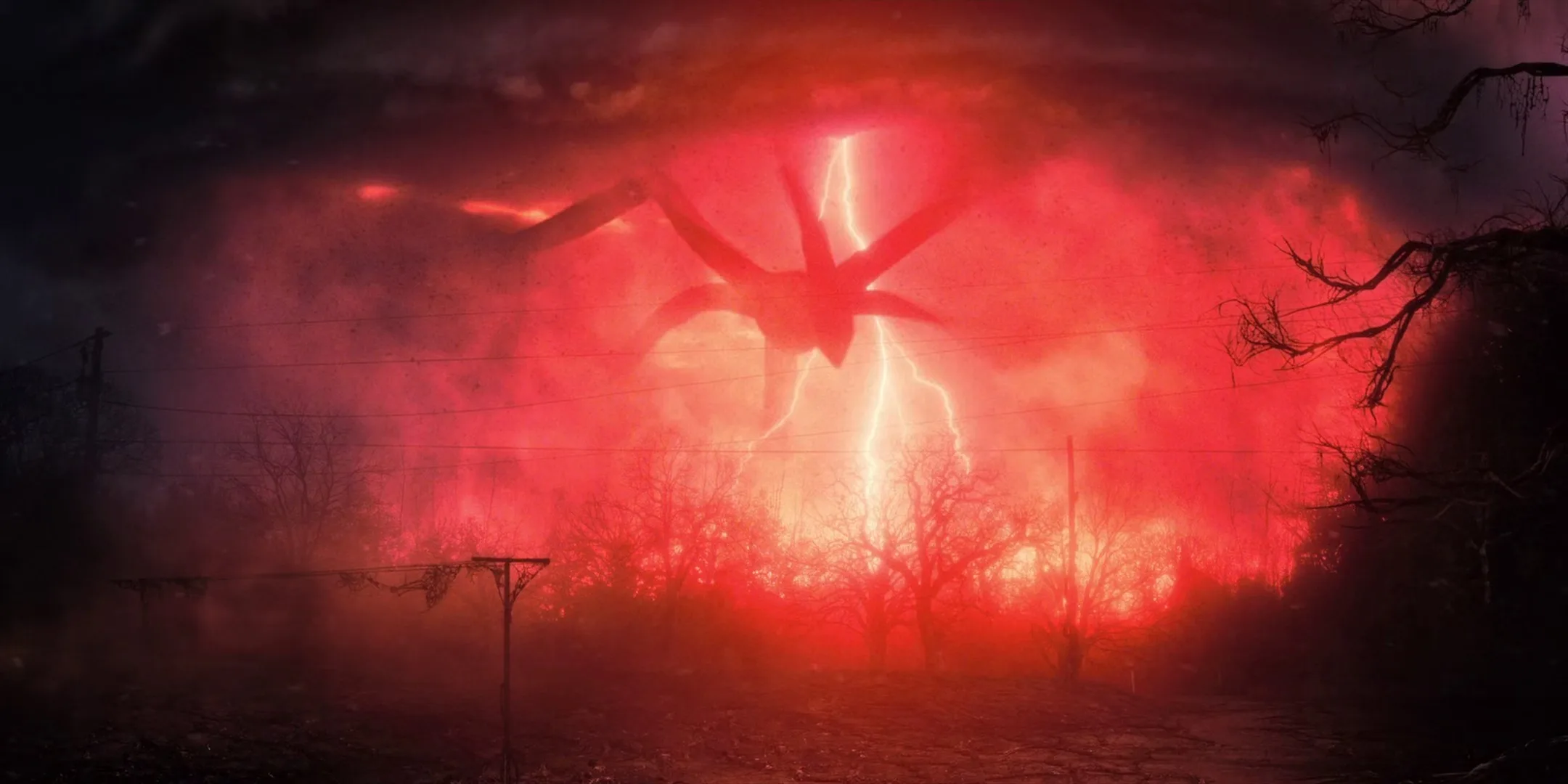
Ten years ago today, fledgling streaming service Netflix debuted Stranger Things‘s first season – and six months after its five season, 36-episode run came to a close, it’s time to reflect on the Duffer Brother’s iconic series… and more importantly, rank them!
And if you are watching Stranger Things for the first time in 2026, you’re in luck – you can enjoy my reviews of every single episode of the series as a companion to your journey. Either way, enjoy – and let me know your favorite episodes and seasons in the comments!
5. Stranger Things 5
With three and a half years between the release of Stranger Things 4 and Stranger Things 5, there was really no way for the show’s final season to meet anyone’s expectations realistically; fans of the show’s original, low-budget horror roots and its magnanimous, blockbuster third and fourth seasons alike were bound to be disappointed by whatever balance Stranger Things‘s final season would offer – if only because everyone watching was a full decade older than they were when Stranger Things began in July 2016. Regardless of one’s attachment or fandom to the series, Stranger Things 5 is a tough pill to swallow, a season with some insanely obvious pacing issues and creative limitations as it tried to both introduce new stories (like the Mr. Whatsit arc) and new characters, while paying off character arcs and plots it had delayed or waffled on through previous seasons.
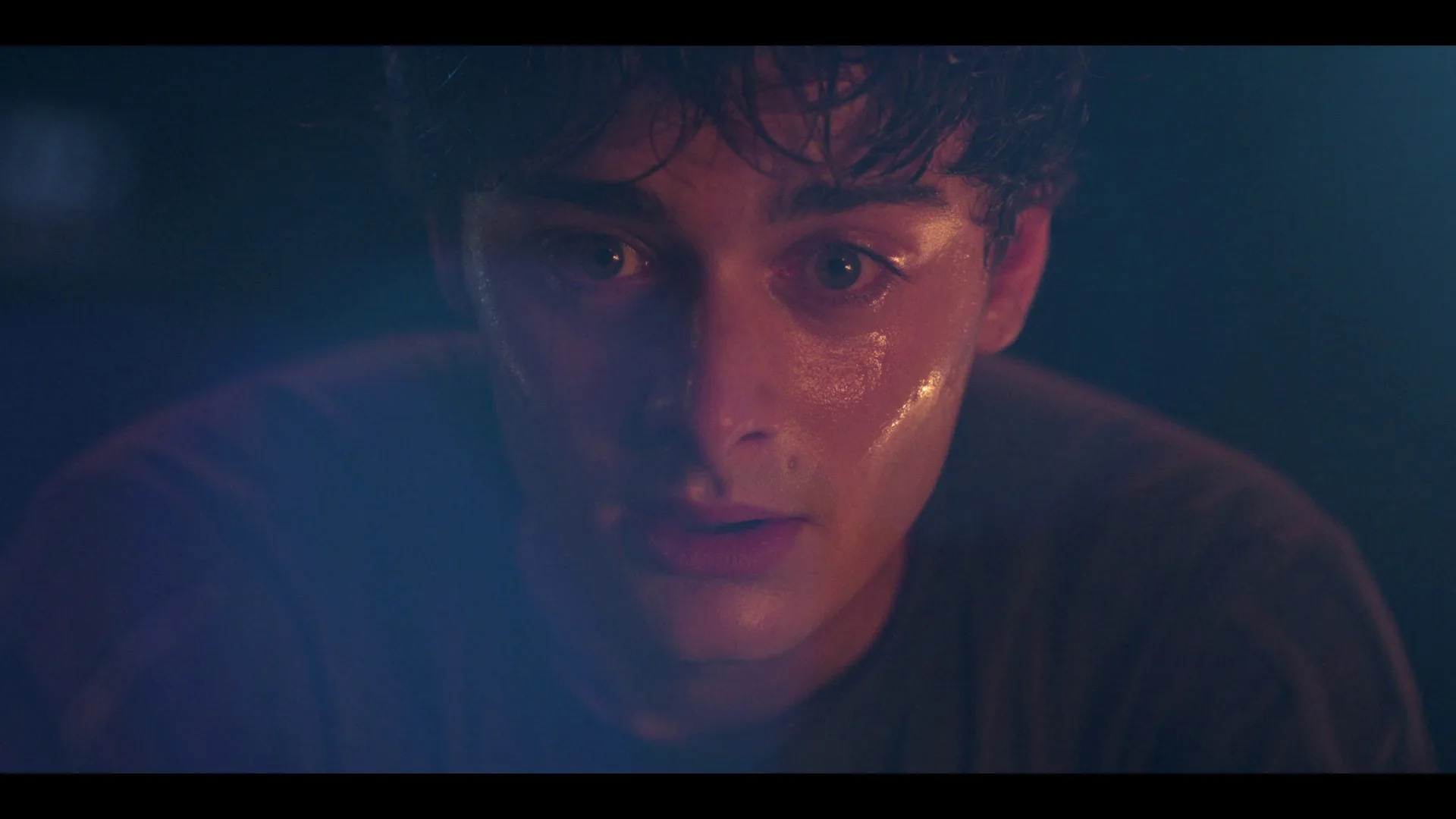
And while it is a season that, in fits and starts, is able to reconnect to some of the emotional undercurrents of its main characters, the show’s ensemble and plot became unwieldy and incomprehensible – a confluence of bloat and creative compromise that leads the show to places like the infamous Will scene at the end of “Chapter Seven: The Bridge”.
Unfortunately, it is a season too enamored with having Big Moments until it realizes the end has arrived: by then, it’s too little, too late for a series that backgrounds entire characters and story arcs to chase distractions and mythology nuggets that require knowledge of a stage play nobody saw to understand (the fact The First Chapter holds such weight in the final episodes of the series is, quite frankly, an insane creative choice we still haven’t really contended with as a society yet). In short, it is an absolute mess, a slog that sadly felt like a group of writers and actors both ready to just hurry up and get it over with already, a feeling that permeates nearly every frame of the Duffer Brothers’s interminably disappointing final season.
4. Stranger Things 4
Though not the worst season of the series, Stranger Things 4 is definitely the creative nadir of Stranger Things (insomuch as Stranger Things 5 lacks any kind of real, coherent creativity at all). After the first three seasons slowly transformed itself from low-budget horror homage to blockbuster cultural touchstone, Stranger Things 4 felt like a series with a big ego and a blank check for a budget.
The result is a disappointing, jilted and overextended two-part release that featured one of the best episodes in the series (in “Chapter Four: Dear Billy”), but mired itself with a bunch of pointless side diversions (like Hopper’s entire Russia prison arc) and superficial personal melodrama through its overwrought running times. Stranger Things 4 desperately needed a more aggressive editor, who would’ve cut out the unnecessary, repetitive Eleven flashbacks, restore Joyce as a character who matters, and pull the series out of the Russian spiral that consumes way too much of the season’s nine episodes; remove all that, and season four could’ve been the lean, mean homage to A Nightmare on Elm Street it so clearly wants to be, in the few moments it is given any kind of room to breathe.
Almost everything about this season after “Chapter One: The Hellfire Club” feels miscalibrated, from the lingering Jonathan/Nancy relationship nobody still cared about, to Will crying in every goddamn scene on a West Coast road trip that both goes nowhere and never seems to end. It’s too bad, because the Max arc in the season’s first part, and the slow discovery of Victor Creel’s identity are some of the greatest material in the series – it’s just buried underneath a overstuffed sludgefest of mediocrity that makes it near-impossible to connect with the series when it goes for its big narrative swings.
3. Stranger Things 2
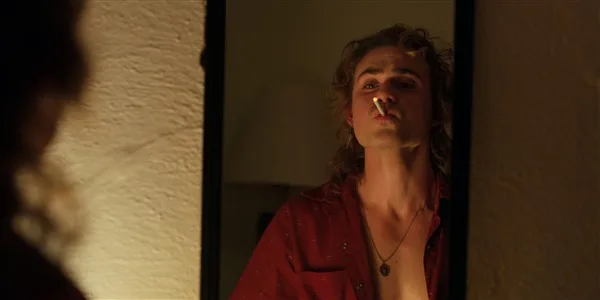
The Season of Bob is an easy one to pick on; Stranger Things 2, for most of its running time, is really just Stranger Things Redux, recalibrating itself around some reworked characters (like Steve 2.0, the show’s greatest creative choice) and new personalities (like Max and Billy) while it tells the story of Will’s possession by the Mind Flayer – whichhhh mostly plays out in very familiar fashion to the first season, albiet with the welcome addition of Hawkins’s first and best Radio Shack manager.
Unfortunately, season two is often remembered for what didn’t work – specifically “Chapter Seven: The Lost Sister” – than what it does in the seven episodes surrounding it, which is a lot of legwork enriching and deepening the world of Hawkins, especially around characters like Hopper and Nancy (side note – remember Jake Busey as the misogynist reporter at the newspaper she interns at? Nobody does!), giving the season a more emotional tone, while introducing the darker, more violent elements that would come to define the show’s horror elements in its later seasons. It’s a transitive season, for sure, and one privy to all of the navel-gazing pitfalls of mid-2010s prestige TV; but it’s still a solid, remarkably consistent season of television that bridges the show from its unassuming first season into the maximalist vision that would be Stranger Things 3.
2. Stranger Things
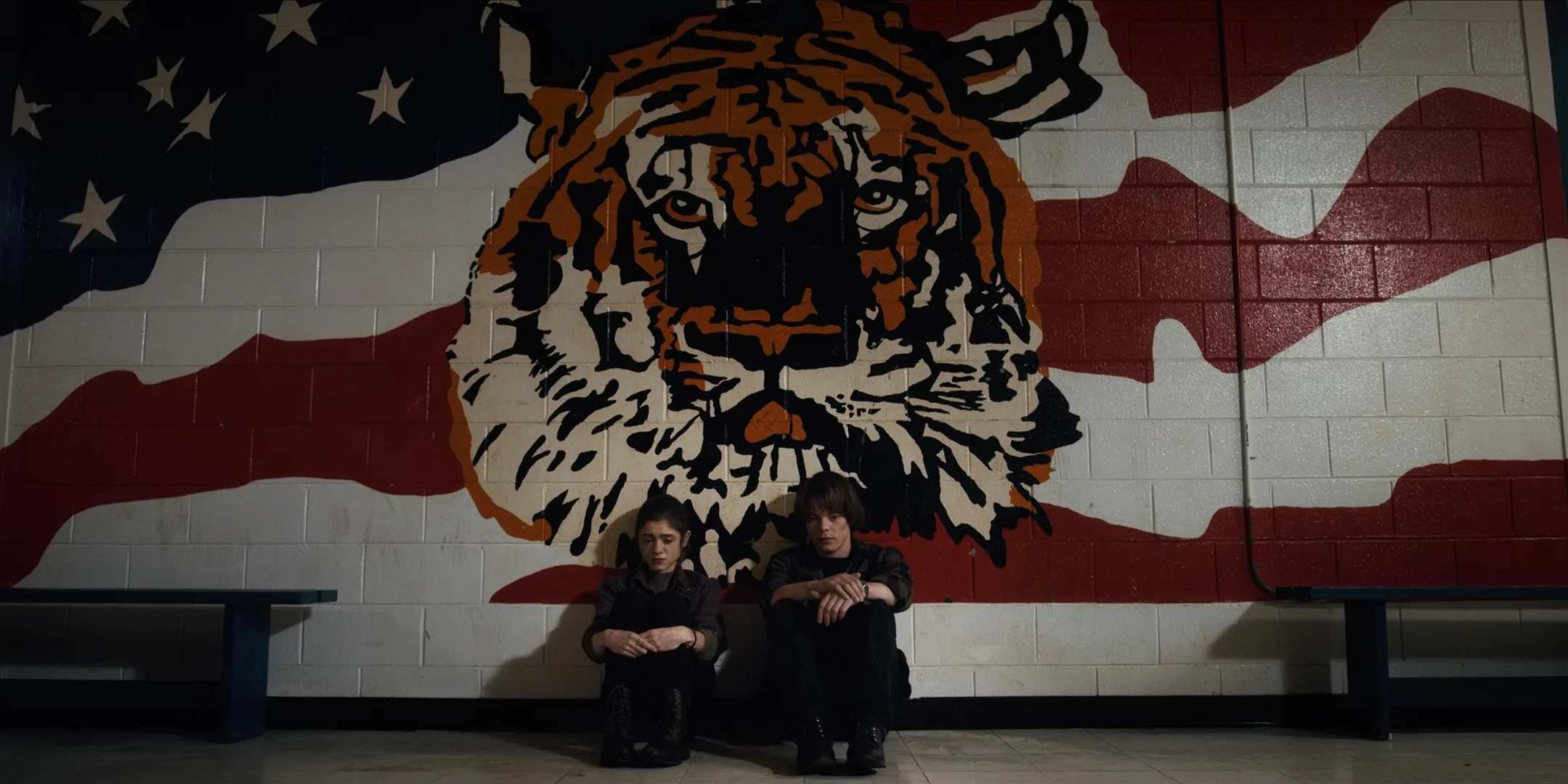
The first season of Stranger Things is probably the best, yes, but it’s such a different show than everything that came before it, it doesn’t quite feel like the “true” representation of what the series is. Regardless, Stranger Things is a fantastic piece of television, a series that acts as an incredible homage to a specific subset of 1980s pop culture, without feeling slaven to it. It’s a series with interesting, complex characters (season one Joyce is a revelation! Don’t compare her to season five Joyce, though, or you’ll get sad real quick), a few incredibly compelling, anxiety-inducing narrative hooks, and a sense of creative freedom and momentum that allows it to build an incredibly rich, tight world of compelling characters in only eight short episodes.
It is an incredibly hard balance to strike, and one Stranger Things, with its small-town Midwestern vibes and remarkable underlying sense of dread, does both elegantly and economically from the moment “Chapter One: The Vanishing of Will Byers” begins; there isn’t an ounce of fat on Stranger Things‘s bones, which is why it could draw and entertain such a huge, unsuspecting audience – and why it is still rightly considered as one of the best Netflix seasons of any series on the platform, a focused, unsuspecting debut that serves as the foundation for a cultural juggernaut nobody saw coming.
1. Stranger Things 3
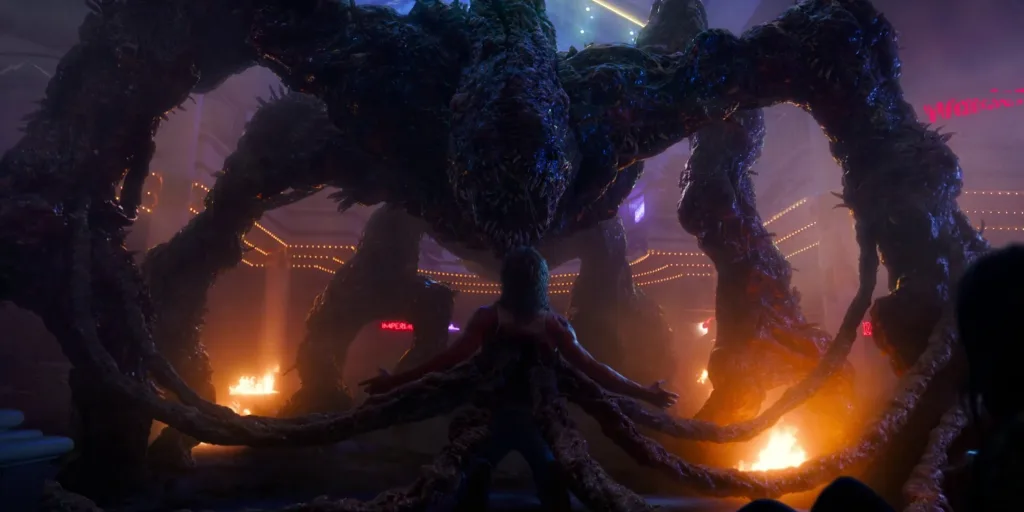
Stranger Things 3 is an amalgamation of everything that came before it, and after it, in the world of Stranger Things: it has the beating heart and soul of the show’s first two seasons, with the huge, expansive plot and impressive visual effects of the final two seasons, all wrapped up and packaged as a kinetic, energetic summer action blockbuster (releasing on July 4, 2019, to boot) centered on the economic and cultural expansion of Hawkins in the mid-1980s. With a fancy, obviously expensive Starcourt Mall set as the central hub of season three, Stranger Things‘s third season was one of great expansion, widening its lens on the people of Hawkins (and Russia) with a wildly ambitious plot line, and an expanding set of comically satisfying, cartoonish secondary characters to lighten the tone between all the Mind Flayer-ing and existential dread.
Stranger Things 3 really has it all; teen (and adult) romance, 80s Cold War influences, lots of synths and neon lights… there’s such an incredible tone and vibe of season three that is unlike anything else in the show’s run. It is really a series at the true peak of its powers, widening its lens without sacrificing its heart – which helps it overcome some of its persistent underlying creative flaws (post-Bob Joyce is not anyone’s favorite, let’s be honest), and allows it to balance an impressive mosaic of stories, genres, and ideas, all funneled through a mediation on American iconography, late-stage capitalism, and small-town identity, culminating in the best season of the series, and one the truly great Netflix seasons (and maybe the greatest that isn’t a show’s first).