
If I were to rank the most exciting developments in the games industry over the past decade, the West’s wholehearted embrace of the Ryu Ga Gotoku Studio’s Yakuza! Series would rank near the top. A beat-em-up game drenched in Japanese culture and yakuza lore is not an easy sell to American audiences – but thanks to Yakuza Kiwami (a remake of the original 2005 Yakuza, released in 2016) and subsequent releases in the series, an entire generation of gamers have latched onto the pure joy of Kiryu Kazuma’s epic, weird adventures from perhaps the most enigmatic developers in gaming.
In a lot of ways, Like a Dragon: Ishin! – a remake of 2014’s Ryū ga Gotoku Ishin! that released this month on PS5, Xbox Series X/S, and Windows – brings that journey full circle. When Ryū ga Gotoku Ishin! initially released to Japanese audiences, the Like a Dragon series was still but a blip on the radar of Western audiences (fun fact: the West did not even adopt the true Like A Dragon nomenclature until 2022, instead opting for the more generic Yakuza name) – and given its setting, as a spin-off game transporting the familiar faces of the Like a Dragon series into the Late Edo period, during the final years of the Tokugawa shogunate, doomed it to never see an English localization.
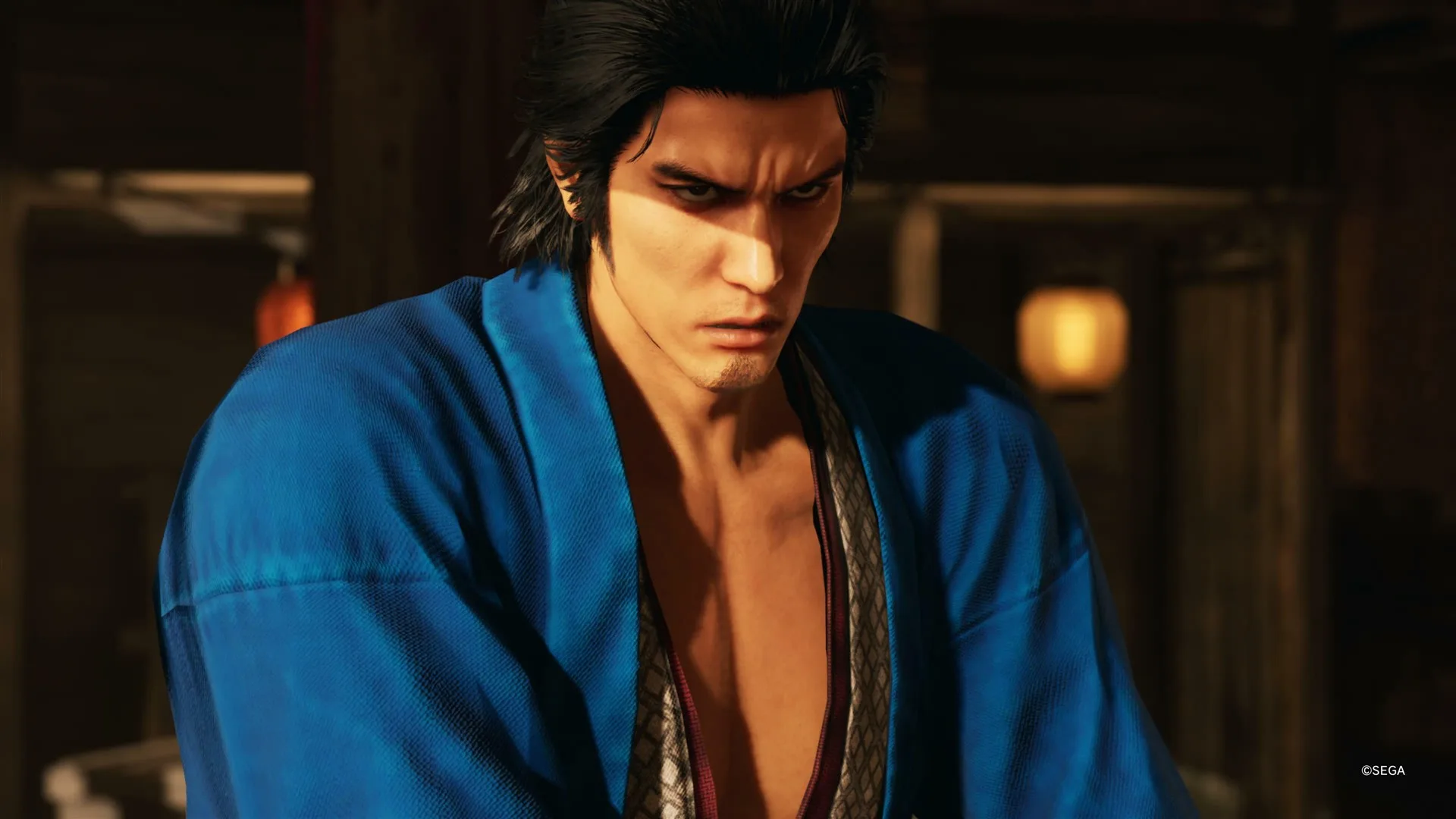
Fast forward a decade, however, where Kazuma Kiryu and Goro Majima are internet meme icons, and the economics for bringing over a small, super historical spinoff make a lot more sense. Enter Like a Dragon: Ishin!, rebuilt from the ground up using Unreal Engine 4, and incorporating familiar faces from newer titles in the series, into the fictionalized versions of historical figures like Yoshida Tōyō, Takechi Hanpeita – and of course, Sakamoto Ryōma, the main character of Ishin!.
Despite being set 150 years prior to most Like a Dragon games, Ishin!’s changes to the game’s formula (long cutscenes interspersed with city crawling, mission completing, and side activity enjoying) are surprisingly additive. Like most games in the series, Ishin!’s combat is typical third-person action fare; group of bad guys show up, and you beat the crap out of them using different martial arts styles.
Ishin! changes that by adopting the identity crisis baked into the samurai politics of the late Edo period, letting players use a combination of fists, swords, and revolvers to reflect the conflicting combat styles – and identities – of samurai in the era. While unfortunately, some of Yakuza 6’s mechanical tweaks are absent, the simplistic, combo-focused combat still feels fresh, thanks to the adoption of weapons and slightly different attack rhythms of enemies (the AI is still spotty on the default difficulty – but part of loving Like a Dragon is appreciating where it stretches at the seam a bit).
As players beat up no-gooders, they will naturally begin to uncover the core story of sociopolitical intrigue and vengeance thriller, all which transplant the typical rhythms of Like a Dragon narratives into the 19th century with ease. While the story is solid (and kind of falls on its ass in the third act), where Ishin! shines is where the series is always at its best – worldbuilding through its eclectic collection of side characters and goofy activities (here, arcade games are replaced with traditional Japanese board games, and karaoke with the Singing Bar… where yes, you can sing Yakuza 0’s “Baka Mitai”).
The true joy of the Like a Dragon games is its side stories, dozens of micro narratives that culminate to turn its Japanese locations into these incredibly dynamic, breathing metropolises, where you’ll meet everyone from earnest children and vicious hustlers, to mochi thieves and sumo wrestlers trying to make their way in a changing world.
As the series does in its best iterations, these stories often serve as a backdrop for the game’s larger themes – which in Ishin!, also reflect the game’s status as a reimagining of an identity the Like a Dragon series has left behind in recent years (to great effect, with new series protagonist Ichiban). Ishin!, though releasing in 2023, still feels like a 2014 game, one beholden to the developmental ideas and tactics of the time; those limitations mirror those of its characters, torn between a world of swords and honor (amongst imperialism, of course) and one of guns and greed. Ishin! Is likewise torn between where the series was and is, in every facet from its control scheme, to its movement patterns… right down to the old-school loading screens between each area.
This is not necessarily a bad thing; I’ve spent 45 hours in Ishin!’s world of secret assassins, military dictators and chicken farmers, and I’m hardly done with my adventures. But the allure of what could be in the future for the series inevitably clouds this remaster, as fun and quirky as it is. Good news is, it’s just a good samurai game, one that understands the inherent tug and pull between identity and morality any good story in the genre knows how to tell; for that alone, Like a Dragon: Ishin! Is an easy recommendation, a game with so much to offer anyone willing to open their heart to this weird, eclectic little action series.