
Remake, reboot, remix, “reimagining”, remaster… regardless of what buzzword is attached to it, there have been a LOT of old games seeing re-releases on major consoles. From Final Fantasy VII all the way down to obscure fighting and puzzle games from the Neo Geo, nostalgia for the eras of gaming past have combined with the utter lack of creativity at the AAA level for a generation of games that feel backward-thinking, rather than forward-moving. The eight trillion re-releases of Skyrim, the terrible mobile ports Sega released on iOS this year, the surprisingly awesome Mega Man Legacy and Saturday Afternoon Classics collection, the handful of “remastered” and “definitive” editions of games being released on current consoles… it seems every other game released for consoles these days is either a sequel, a high-definition remaster, or a straight port of a game previously enjoyed on older systems.
This is all fine and well, of course; our ability to continuously preserve bits of gaming history through generational technological turnover is an essential part of gaming culture, from Nintendo’s Virtual Console to the PSone Classics available on Sony’s various platforms. However, these re-releases and re-definitions of games have felt a bit empty; a direct translation of gameplay from one year to another does not equate the same pleasure, and many games have failed to reflect that change. Some may be content to try and play on the emotions players experienced years ago, but those attempts almost always fall short: after all, imitating the experience does not imitate the emotion, and many thoughtless remasters and ports fail to capitalize on the opportunity to re-engage with the gamer.
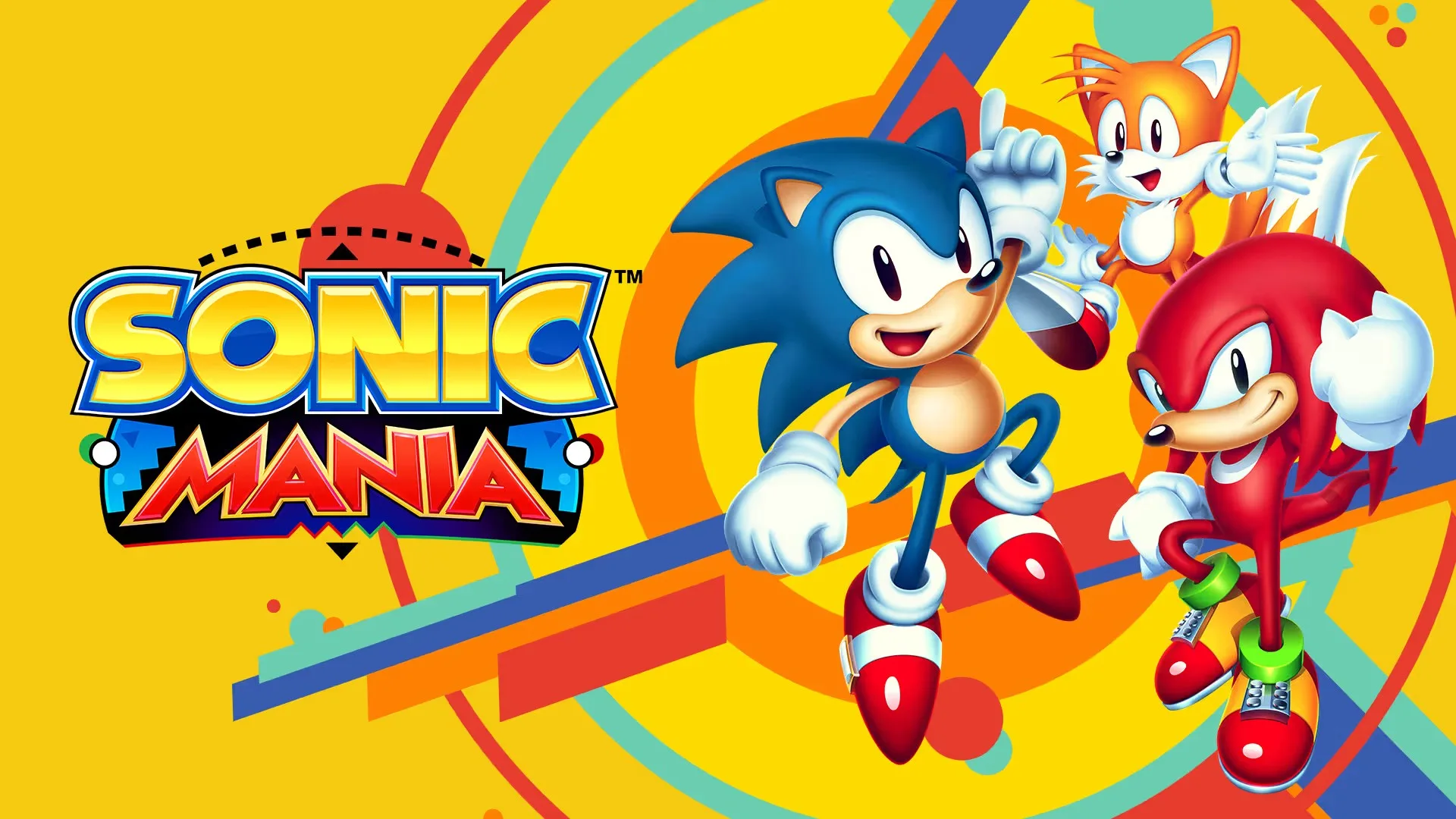
Sonic Mania, the new 16-bit esque platformer developed by popular (and official) Sega emulator professionals, offers a different take on its own history, presenting the many familiar elements of the original 2D Sonic games with the reverence and care one would expect, but with a fearless edge that tries to expand – and in some cases, reinvent – what the Sonic experience was for a gamer. The sense of speed and intricate platforming of the originals remain -as does much of the original game’s first few levels – but what Sonic Mania does so masterfully is play on that sense of nostalgia, and deliver an entirely new experience with it.
The visual and audio design is the foundation for this; built in the image of old Sonic games, this 2D offering recreates many of the tile sets from old, iconic Sonic levels, and presents them almost untouched in the first act (re: level) of each zone (re: world). Green Hill Zone 1, despite having some new pathways and hidden secrets, is built almost identically to the stage in the original game; however, Green Hill Zone 2 takes those familiar elements, and flips them on their head. Forget that each stage has new bosses (which include one of the deepest nostalgic cuts former Game Gear owners will love); each stage has new visuals and mechanics, which turns a familiar experience into something completely new and refreshing, challenging players to engage with their nostalgia on a completely different level, transforming the core experience of “playing Sonic” in an exciting way.
It’s been a long time since there was a “good” core Sonic game; past games like Colors, Generations, and Sonic The Hedgehog 4 tried to cash in on nostalgia by transforming what we knew about Sonic into something completely anthetical to what makes Sonic great. Sonic Mania does the exact opposite; it leans into the elements that made Sonic memorable – great soundtrack, awesome sense of speed, intricate level design, clever and unique platforming mechanics – and doubles down on them, the digital equivalent of perfecting the wheel, rather than trying to reinvent it.
Sonic Mania proves a point about retro gaming that’s been dying to be made by the industry for years: empty nostalgia is a short-term emotional fix for a glaring creative flaw. Re-releasing old games just means subjecting gamers to archaic mechanics and technology for the sake of capturing a lost emotion; that kind of gesture is an empty one, asking the gamer to monetarily invest in something that the developer itself invested no creative thought on.
Titles like Sonic Mania offer something much more; an opportunity to use modern technology to expand on what made older games so great, observing their technical and creative mastery, and using that reverence to further explore the space of possibility offered by these iconic titles. Again, imitation will only get you cold, inert nostalgia; when a game like Sonic Mania is able to forge a new connection with gamers by wowing them once again, it feels like a memory of a game come to life, the unexplored potential forever locked in our imaginations suddenly released into the world again.